


The world has shifted toward a digital-first, technology-driven lifestyle. Where people once relied solely on physical bank branches for their financial needs, mobile technology now dominates. At the center of this shift are Fintech Super Apps, which are redefining how people manage money and posing a serious challenge to traditional banks.
What Are Fintech Super Apps?
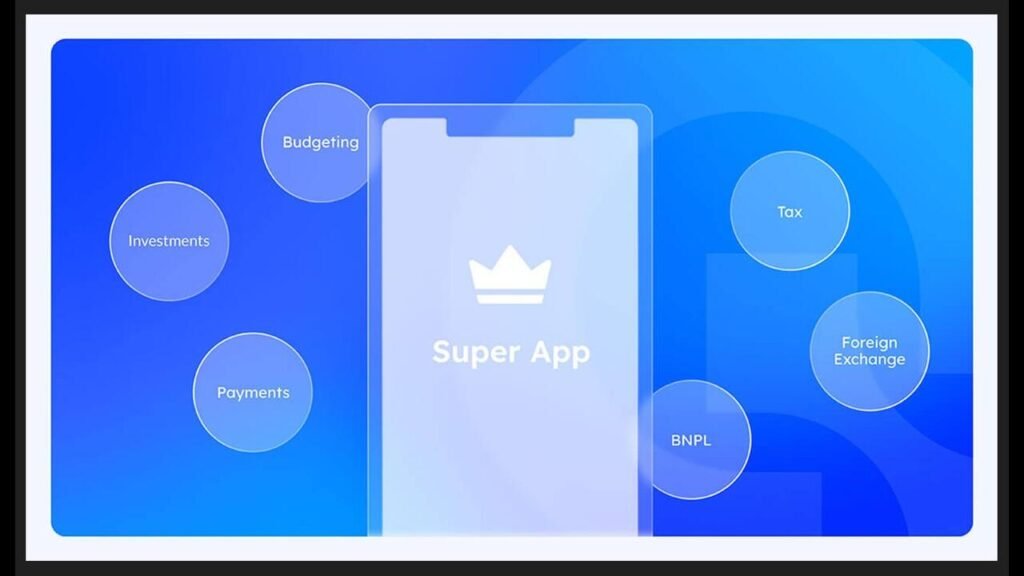
A Fintech Super App is an all-in-one digital platform that integrates a wide range of financial services under one roof. Instead of using multiple apps, websites, or banks, users can access everything in a single app—whether it’s:
-
Banking and payments
-
Budgeting and wealth management
-
Investments in stocks, gold, or mutual funds
-
Insurance (health, life, vehicle)
-
Digital currencies
Examples include: Paytm, Google Pay, PhonePe, Groww, Alipay, Gojek, and WeChat.
Why Traditional Banks Are Struggling
Banks have long enjoyed the trust of customers, but in today’s fast-paced world, their traditional processes feel outdated.
-
Slow services: Filling forms, submitting documents, and waiting for verification take time.
-
Low adaptability: Banks are slow to adopt new technologies.
-
Poor user experience: Many banking apps are difficult to use, pushing customers to visit branches.
This gap has created a perfect opportunity for Fintech Super Apps.
Why Fintech Super Apps Are So Popular
The rise of super apps can be attributed to a few key advantages:
-
Speed: Transactions are completed in seconds.
-
Convenience: Multiple services in one app.
-
Affordability: Low-cost services compared to banks.
-
User-friendly design: Accessible to people of all ages.
-
Personalization: AI-driven suggestions, offers, and financial planning.
These features make them more attractive to users than traditional banks.
How Super Apps Are Transforming Banking
Super apps go beyond payments—they are reshaping the entire financial ecosystem:
-
Instant loans and credit approvals.
-
Simplified investments in mutual funds, stocks, and gold.
-
Online insurance options (health, life, vehicle).
-
Digital currency investments.
What once required multiple institutions or lengthy processes can now be completed in just a few taps.
Benefits for Customers
For users, super apps deliver a new level of convenience:
-
Save time—no queues or branch visits.
-
Access banking services 24/7.
-
Maintain easy digital transaction records.
-
Bring financial services to rural and remote areas.
A Threat or an Opportunity for Banks?
Fintech Super Apps are both a challenge and an opportunity for banks.
-
Threat: Banks sticking to traditional models risk losing relevance.
-
Opportunity: By embracing technology, collaborating with fintechs, and expanding online services, banks can thrive in this new ecosystem.
Some banks are already adapting, offering UPI services, mobile apps, and digital-first experiences.
Security and Compliance Challenges
Despite their benefits, super apps face important risks:
-
Cybersecurity threats: Hacking, fraud, and online scams.
-
Data privacy concerns: Protecting sensitive customer information.
-
Regulatory compliance: Meeting government requirements to ensure transparency and trust.
Security will remain a key factor in sustaining customer confidence.
Conclusion
Fintech Super Apps have shown that banking is no longer limited to banks. With their speed, accessibility, and affordability, they are shaping the future of financial services.
Traditional banks now face a choice: resist and risk decline, or embrace digital transformation and become part of this new era. Those willing to adapt can unlock vast opportunities in the evolving financial landscape.